
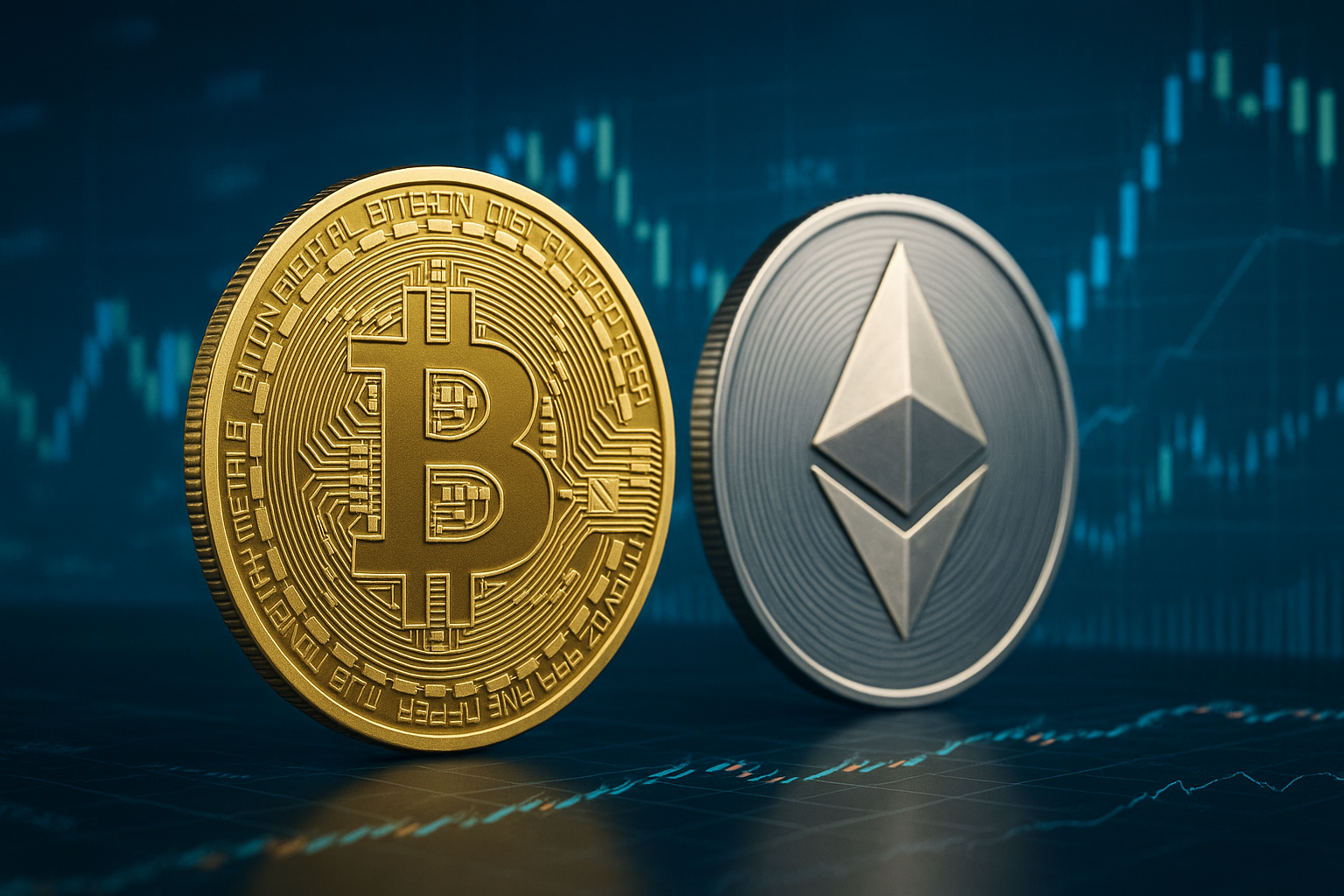
The world of cryptocurrency is as dynamic as it is intriguing, with Bitcoin and Ethereum leading the charge in a rapidly evolving financial ecosystem. Whether you’re an investor, a tech enthusiast, or simply curious about the future of money, understanding these digital currencies and the trends they’re inspiring is crucial. In this article, we’ll delve into the intricacies of Bitcoin and Ethereum, while also exploring emerging trends that are shaping the financial landscape.
- Understanding Bitcoin: The Pioneer of Cryptocurrency
- Ethereum: More than Just a Cryptocurrency
- Emerging Trends in the Crypto World
- How to Navigate Crypto Investments
- Future Outlook: Cryptocurrencies in 2026 and Beyond
- FAQs
Understanding Bitcoin: The Pioneer of Cryptocurrency
Bitcoin, the first cryptocurrency, was introduced in 2009 by the enigmatic Satoshi Nakamoto. It’s not just the first digital currency but also the most recognized, acting as a bellwether for the market. Bitcoin’s decentralized nature means it operates without a central authority, offering an alternative to traditional fiat currencies. This section dives into why Bitcoin remains relevant, how it works, and its potential future.
Why Bitcoin Still Matters: Many users prefer Bitcoin for its capped supply, making it a hedge against inflation—a significant concern in today’s financial climate. As governments worldwide grapple with fluctuating economies, Bitcoin presents a unique opportunity for preserving wealth.
Case Study: In 2024, a significant financial institution adopted Bitcoin as part of its portfolio diversification strategy, enhancing its valuation by about 15% during market volatility.
Ethereum: More than Just a Cryptocurrency
While Bitcoin is celebrated for its pioneering role, Ethereum trades in a different commodity—value through utility. Launched in 2015 by Vitalik Buterin, Ethereum stands out with its Smart Contracts, providing a robust platform for DEFI (Decentralized Finance) and NFTs (Non-Fungible Tokens).
Technical Advancements: Ethereum 2.0, expected to be fully realized by 2025, aims to address key issues such as scalability and energy consumption. This upgrade shifts Ethereum’s consensus mechanism from Proof-of-Work (PoW) to Proof-of-Stake (PoS), reducing the network’s environmental footprint.
Real-World Applications: An example of Ethereum’s influence is its role in the burgeoning NFT market. Artists and creators use Ethereum-based platforms to sell their digital art, radically transforming how art is produced, owned, and monetized.
Emerging Trends in the Crypto World
As the cryptocurrency market matures, new trends and technologies continue to emerge, reshaping the financial landscape. This section highlights the most exciting developments that are on the horizon.
1. Regulation and Compliance: As crypto adoption increases, so does regulatory scrutiny. By 2026, we expect clearer regulatory frameworks globally, potentially increasing mainstream adoption due to enhanced security and trust.
2. Green Cryptocurrencies: As environmental concerns climb global agendas, there is a shift towards eco-friendly cryptocurrencies. These aim to minimize the carbon footprints associated with traditional mining processes. Projects such as Chia (XCH) that utilize less energy-intensive techniques are worth watching.
3. Decentralized Finance (DeFi): DeFi continues to disrupt by removing middlemen in financial transactions. The DeFi market, valued at over $100 billion in 2024, is expected to grow exponentially, providing lucrative opportunities for early adopters.
How to Navigate Crypto Investments
Investing in cryptocurrencies can be daunting but potentially rewarding if conducted wisely. Here’s a guide to help you navigate the investment landscape effectively.
Step 1: Consider Your Risk Appetite
- Cryptocurrencies are volatile; ensure your investment aligns with your risk tolerance.
Step 2: Diversification
- Do not put all your eggs in one basket. Consider diversifying your portfolio across different cryptos and traditional assets.
Tools and Platforms: Numerous crypto exchanges like Binance and Coinbase offer user-friendly platforms to start your investment journey, along with advanced features for more experienced investors.
Future Outlook: Cryptocurrencies in 2026 and Beyond
The landscape of cryptocurrency by 2026 will be shaped by technological advances and evolving regulatory environments. As global economies adapt to digital transformations, cryptocurrencies will likely play a more critical role.
Author Note: As a seasoned financial strategist focused on digital currencies, I have witnessed firsthand the transformative potential of Bitcoin and Ethereum. My goal is to bridge the gap between complex financial concepts and everyday investors, empowering a broader audience with actionable insights.
FAQ
What makes Bitcoin and Ethereum fundamentally different?
Bitcoin primarily functions as a decentralized currency, akin to digital gold, due to its finite supply. In contrast, Ethereum offers a broader platform for blockchain applications beyond just currency, such as Smart Contracts and decentralized apps, making it versatile in digital technology innovation.
How does Ethereum 2.0 impact the crypto market?
Ethereum 2.0 aims to enhance scalability and reduce energy consumption through a transition to Proof-of-Stake. This makes Ethereum more sustainable and attractive to developers and users interested in environmentally-friendly technologies.
Are cryptocurrencies a viable long-term investment?
Investing in cryptocurrencies can be lucrative, but it also carries significant risks due to market volatility. Long-term investors should stay informed about market trends, technological developments, and regulatory changes to navigate potential risks and opportunities effectively.
What should a beginner know before investing in crypto?
Beginners should start by understanding the blockchain technology underlying cryptocurrencies. They should also be aware of risks, set clear investment goals, and consider diversifying their portfolio to manage volatility effectively.
What role do NFTs play in the Ethereum ecosystem?
NFTs, or Non-Fungible Tokens, represent unique assets on the Ethereum blockchain and have revolutionized digital ownership concepts. They enable creators to authenticate and monetize digital creations, from art to real estate on virtual platforms.
Conclusion
The world of cryptocurrency, led by innovators like Bitcoin and Ethereum, is redefining financial and technological landscapes. By staying informed and agile, investors and enthusiasts can navigate this dynamic space successfully, leveraging emerging trends to their advantage.

Autor
Posts relacionados

Understanding Economic Consequences: Impact on Ordinary Citizens and Investors
- 0
- 926 words
Understanding Economic Consequences: Impact on Ordinary Citizens and Investors In a rapidly evolving economic landscape, understanding the consequences of key factors like...
Leia tudo
Understanding Bitcoin: A Comprehensive Guide for Aspiring Crypto Investors
- 0
- 822 words
Understanding Bitcoin: A Comprehensive Guide for Aspiring Crypto Investors As the landscape of digital finance rapidly evolves, Bitcoin remains a tantalizing prospect...
Leia tudo