

Introduction
Standing at the convergence of fluctuating interest rates, inflation concerns, and central bank maneuvers, European investors face a complex landscape. Whether you’re a retail investor or a seasoned finance professional, understanding these factors is crucial for navigating the stock markets effectively. In this article, we delve into how central bank policies influence market dynamics and offer insights for business decision-makers across Europe.
- Understanding Central Banks
- Dynamics of Stock Markets
- Interest Rates and Inflation
- Strategies for Investors
- FAQ
- Conclusion
Understanding Central Banks
Central banks in Europe, like the European Central Bank (ECB) and the Bank of England, play pivotal roles in shaping economic policies. Their decisions on interest rates and monetary policy affect the liquidity and stability of the market. For example, post-2024, the ECB has focused on managing inflation while promoting economic growth amidst geopolitical tensions.
Role and Functions
Central banks are tasked with controlling inflation, managing interest rates, and ensuring financial stability. They wield significant influence over the economy by adjusting the supply of money and setting policy rates, which directly impact stock markets.
Recent Trends and Decisions
Recent decisions have seen an emphasis on combating high inflation rates, a remnant challenge post-pandemic disruptions. In 2025, the ECB has taken accommodative stances intended to boost consumer spending and investment.
Dynamics of Stock Markets
Stock markets are often sensitive to central bank communications. Announcements regarding policy changes can trigger immediate reactions—volatility that both risks and opportunities for investors. To navigate these waters, it’s crucial for investors to stay informed and agile.
Market Reactions
When central banks signal rate hikes, stock markets often react negatively due to anticipated increases in borrowing costs. Conversely, rate cuts usually spur optimism, as lower rates can stimulate investment and spending.
Global Influences
European stock markets do not operate in isolation. The global interconnectedness means policies from central banks in regions like the United States also impact European markets, guiding investor expectations and economic sentiment.
Interest Rates and Inflation
Interest rates are a leading tool used by central banks to control inflation. By raising rates, central banks aim to cool off an overheating economy, while cutting rates can help spur growth during downturns. However, navigating these changes requires a strategic approach.
Effects on Inflation
A balanced approach to interest rates helps keep inflation within target levels—usually around 2% for many central banks. Inflation above target can erode purchasing power, impacting consumer behavior and business planning.
Impact on Investment
For investors, understanding the correlation between interest rates and inflation is crucial. Rising rates can signal a shifting landscape, often calling for a reassessment of equity portfolios and a closer look at sectors poised to benefit from such environments.
Strategies for Investors
Armed with the understanding of central bank policies and their effects, investors can better position themselves in the markets. Here are some strategies:
- Diversification: Spread investments across various sectors and geographies to cushion against localized volatility.
- Monitor Policy Changes: Stay updated with central bank announcements to anticipate market shifts.
- Focus on Fundamentals: In volatile times, companies with strong fundamentals often provide stability.
Practical Example
Consider the financial sector, which is particularly sensitive to interest rate changes. By focusing on funds or stocks in this sector, investors can align their portfolios with anticipated central bank actions.
FAQ
How do central bank policies influence stock markets?
Central banks impact stock markets primarily through interest rate policies. When rates decrease, borrowing becomes cheaper, potentially boosting stocks as companies expand investments, and vice versa when rates rise.
What should investors focus on in a high inflation environment?
Investors should focus on assets that traditionally perform well during inflationary periods, such as commodities and real estate. Diversifying into inflation-protected securities may also help mitigate risks.
Why do global central bank policies affect European markets?
The globalized economy means that decisions by major central banks, like the US Federal Reserve, can influence global capital flows and currency valuations, impacting European markets significantly.
Are there specific sectors particularly sensitive to interest rate changes?
Yes, sectors like banking, real estate, and utilities are highly sensitive to interest rate changes. Banks benefit from higher rates, while real estate may slow due to increased borrowing costs.
Conclusion
Understanding the interplay between central bank policies, interest rates, and inflation is key for European investors striving to make strategic decisions. By staying informed and adaptable, retail investors and finance professionals can better navigate the ever-evolving landscape of stock markets.
Author note: As a finance strategist passionate about navigating European market complexities, I bring industry insights from over a decade of experience in dealing with market shifts and policy impacts. Combining real-world examples with data-led insights, I aim to empower readers with actionable strategies.
For more in-depth articles on investment strategies, visit current market analysis and investment insights.

Autor
Posts relacionados

How Energy Prices Affect Stock Markets and Government Spending
- 0
- 840 words
How Energy Prices Affect Stock Markets and Government Spending The intricate relationship between energy prices, stock markets, and government spending shapes global...
Leia tudo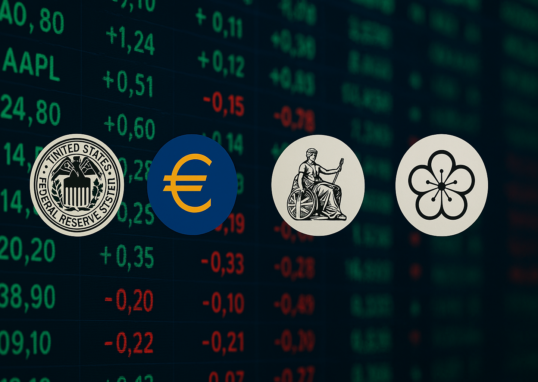
Navigating the Stock Markets: The Role of Central Banks, Interest Rates, and Inflation
- 0
- 760 words
Understanding the dynamics between stock markets, central banks, interest rates, and inflation is crucial for any investor aiming to maximize returns and...
Leia tudo
Navigating the Future of Digital Assets: Insights into Cryptocurrencies and European Regulations
- 0
- 835 words
As the world becomes increasingly digital, understanding cryptocurrencies like Bitcoin and Ethereum, along with the regulatory landscapes shaping them, is crucial for...
Leia tudo
Understanding the Interplay Between Energy Prices, Stock Markets, and Government Spending
- 0
- 769 words
Introduction As we progress through the decade, the intricate dance between energy prices, stock markets, and government spending remains central to economic...
Leia tudo
Decoding the Financial Impact of Cryptocurrency: Understanding Bitcoin’s Role
- 0
- 988 words
Bitcoin and other cryptocurrencies have sparked endless discussions about their impacts on finance and the global economy. For those invested in financialcustom.com,...
Leia tudoUnderstanding Market Movements and Regulatory Changes in Cryptocurrency
- 0
- 1.061 word
Introduction The world of cryptocurrency, led by Bitcoin, has become an intriguing yet complex field for investors and technologists alike. With rapid...
Leia tudo