
Introduction
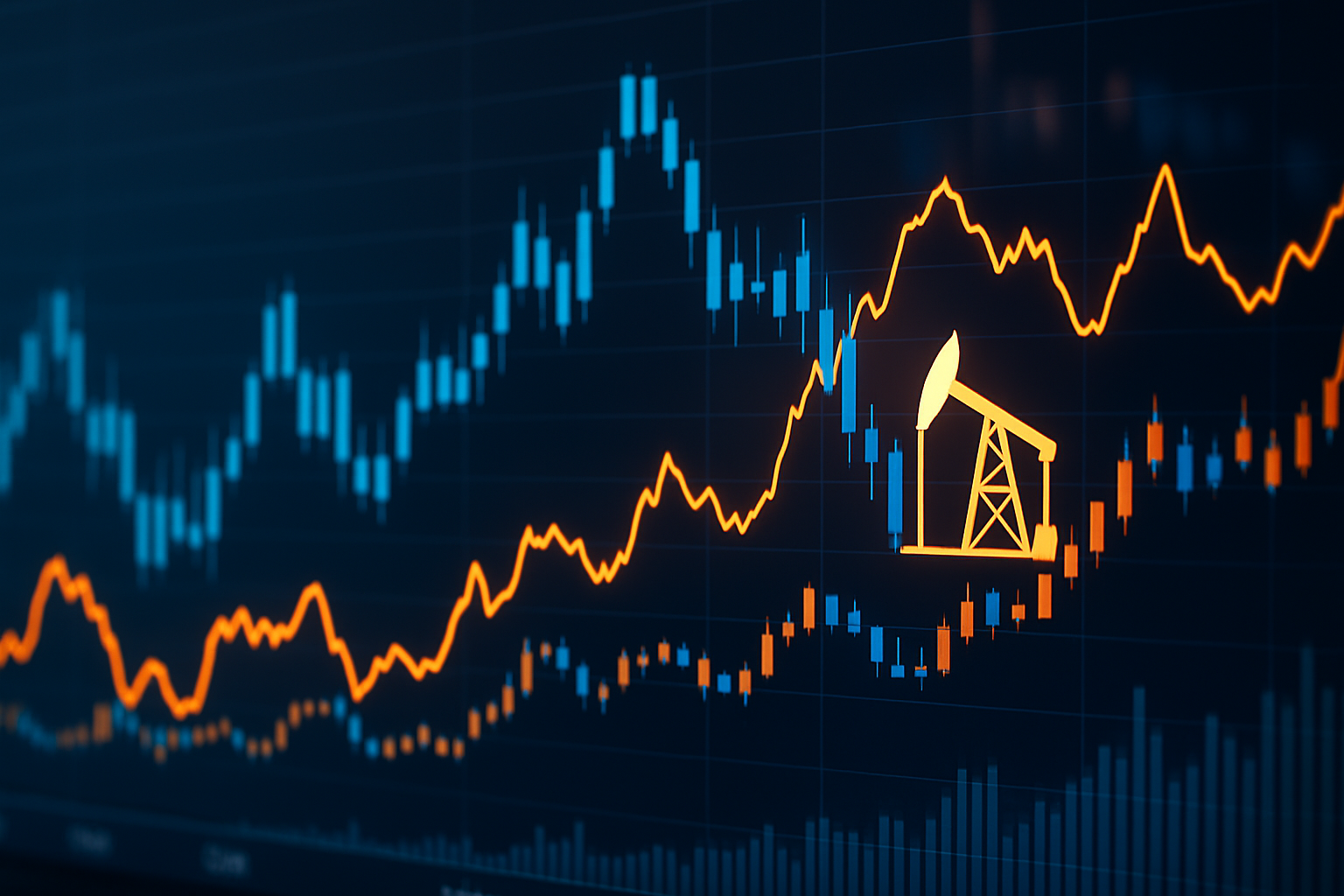
Understanding the intricate relationship between energy prices, stock markets, and government spending is crucial for anyone navigating today’s economic landscape. Energy prices serve as both a lifeline and a volatility factor for economies, influencing everything from inflation rates to investment choices. This post is valuable for investors, policymakers, and finance enthusiasts seeking to comprehend these dynamics.
- Impact of Energy Prices on Stock Markets
- How Stock Markets React
- Government Spending and Energy Prices
- Real-World Examples and Case Studies
- Key Takeaways
Impact of Energy Prices on Stock Markets
Energy is an essential sector influencing significant shifts in stock markets. Rising or falling energy prices can send out ripple effects across various industries, from manufacturing to services. But why does this happen?
Supply and Demand Dynamics
Inflation in energy prices often reflects a change in supply and demand dynamics. When supply dwindles due to geopolitical uncertainties like the tensions in Eastern Europe, energy prices can surge. An increase in prices affects businesses reliant on energy, causing share values to waver.
Investor Sentiments
Price fluctuations often ignite investor concerns. A steep increase might result in panic selling, while a drop might indicate future economic instability, driving markets into turbulence. For instance, during the 2024 global energy crunch, investor hesitancy led to a 15% dip in the S&P index, highlighting the interconnectedness of these markets.
How Stock Markets React
Stock markets are unpredictable territories, especially responsive to external factors like energy prices. Here, we delve into how these prices prompt market reactions.
Short-term Volatility
Investors often face volatility, affecting short-term trading strategies. Markets react swiftly to energy price changes, often creating quick gains or losses. In 2025, quick responses to an OPEC announcement spurred a short-term spike in stock values of oil companies, showcasing the responsiveness.
Long-term Impacts
Though short-term volatilities are common, long-term impacts are often observed in fiscal policies and investment paradigms. Markets adjust over time, reflecting the long-term economic environment shaped by sustained energy price changes.
Read more about market reactions in our comprehensive guide for 2025.
Government Spending and Energy Prices
Energy pricing plays a critical role in determining government budgets and spending priorities. As governments often respond to emergencies due to price spikes, these influences are worth exploring.
Fiscal Adjustments
Unexpected hikes in energy costs compel governments to reallocate budgets. In response, a government may increase subsidies to ease citizen burdens, affecting other expenditures. The 2025 US fiscal policy demonstrated a pivot in allocations to accommodate a rising energy budget.
Inflationary Pressures
Energy prices have a cascading effect on inflation. Increased energy costs raise production prices, elevating consumer prices—a concern requiring government intervention. The World Bank’s latest report (2026) notes such pressures contribute significantly to global inflation trends.
Real-World Examples and Case Studies
Examining recent events provides invaluable insights. Let’s consider three case studies that outline the relationship between these elements.
Case Study 1: The European Gas Crisis (2024)
An unexpected geopolitical event resulted in reduced gas supplies, leading to doubled energy prices. European markets responded with a sector-specific plunge, and governments introduced temporary relief packages to mitigate unrest.
Case Study 2: Oil Price Surge in the Middle East (2025)
When a supply cut agreement was formed within OPEC, crude prices peaked, impacting American and Asian markets severely. This event led to a 12% increase in global oil stock valuations and forced intricate policy shifts.
Case Study 3: Technological Shifts and Renewable Energy (2026)
An increase in renewable technology investments led to alternate resource exploration, tempering oil dependency. Countries investing in renewables observed steadier stock market conditions and efficient government spending redirection.
Explore our article on renewable energy investments and market stability.
What Can We Learn?
These examples underline the need for strategic planning and informed decision-making in both investment and policy-formulation realms.
Key Takeaways
- Energy prices influence market stability, impacting investor decisions and fiscal policies.
- Sustained price changes force governments to adapt budgets, affecting economic growth and public services.
- Examining recent case studies provides context, showcasing how market adaptation occurs during crises.
- Strategic investments in renewables could mitigate some risks associated with volatile energy markets.
- Stay informed to navigate these interconnected markets effectively.
Discover more financial insights and stay ahead with our expert analyses.

Autor
Posts relacionados

Mastering Professional Financial Journalism in the Age of Cryptocurrency
- 0
- 788 words
In an era where Bitcoin and other cryptocurrencies dominate headlines, financial journalism has taken on a new dimension. Whether you are a...
Leia tudo
The Impact of Central Bank Policies on Stock Markets: Insights for European Investors
- 0
- 816 words
Introduction Standing at the convergence of fluctuating interest rates, inflation concerns, and central bank maneuvers, European investors face a complex landscape. Whether...
Leia tudo
How Energy Prices Affect Stock Markets and Government Spending
- 0
- 840 words
How Energy Prices Affect Stock Markets and Government Spending The intricate relationship between energy prices, stock markets, and government spending shapes global...
Leia tudo
Navigating the Stock Markets: The Role of Central Banks, Interest Rates, and Inflation
- 0
- 760 words
Understanding the dynamics between stock markets, central banks, interest rates, and inflation is crucial for any investor aiming to maximize returns and...
Leia tudo
Navigating the Future of Digital Assets: Insights into Cryptocurrencies and European Regulations
- 0
- 835 words
As the world becomes increasingly digital, understanding cryptocurrencies like Bitcoin and Ethereum, along with the regulatory landscapes shaping them, is crucial for...
Leia tudo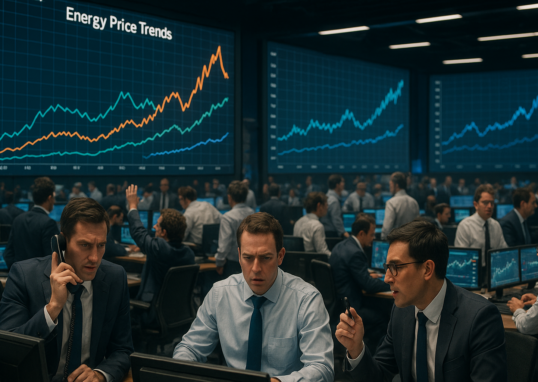
Understanding the Interplay Between Energy Prices, Stock Markets, and Government Spending
- 0
- 769 words
Introduction As we progress through the decade, the intricate dance between energy prices, stock markets, and government spending remains central to economic...
Leia tudo