
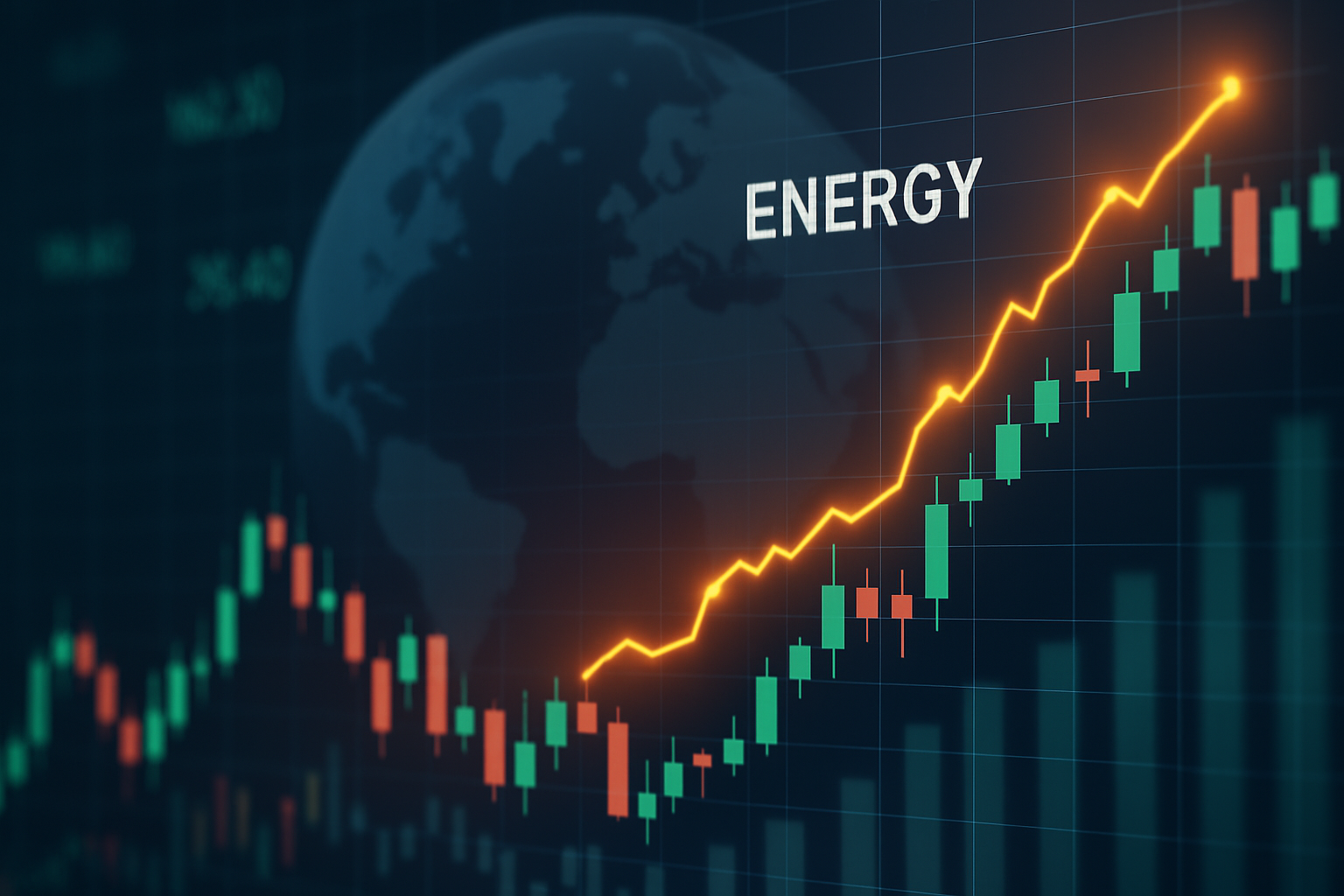
Understanding Energy Prices and Stock Markets Influenced by Government Spending
The dynamic interplay between energy prices, stock markets, and government spending stands as a crucial pillar in shaping global economic landscapes. These three elements are interconnected, with shifts in one often causing ripples across the others. In today’s article, we’ll delve into how these forces influence each other and what it means for investors and policymakers.
Whether you’re a seasoned investor or a curious financial enthusiast, understanding these interactions can empower your economic decisions.
- Energy Prices Influence
- Stock Markets and Fluctuations
- Role of Government Spending
- Interdependence: A Case Study
- Making Informed Decisions
- FAQs
Energy Prices Influence
Energy prices are a fundamental driver of the global economy, affecting everything from household budgets to industrial profitability. When energy prices fluctuate, economies can experience inflationary pressures or deflationary relief, impacting consumer spending and business costs.
Why Energy Prices Matter
There’s a direct correlation between energy prices and economic stability. When prices rise, transportation and production costs increase, driving inflation. Conversely, lower prices often lead to reduced costs for goods and services, potentially boosting spending power. According to the U.S. Energy Information Administration, crude oil prices can significantly affect national GDP growth rates. Understanding this dynamic helps investors anticipate broader economic shifts.
Historical Context
In the 1970s, the oil embargo showed how volatile energy prices could lead to a global recession. During such periods, understanding energy sector indices can provide insights into market trends. For instance, during the COVID-19 pandemic, shifts in crude oil demand caused unprecedented price swings, impacting sectors from tourism to technology.
Stock Markets and Fluctuations
Stock markets reflect investor sentiments and economic forecasts. They react almost instantaneously to changes in energy prices due to the sector’s direct impact on corporate earnings and expenses.
Correlation Between Stocks and Energy
Energy companies are significant constituents of many indices, such as the S&P 500. Changes in energy prices can lead to shifts in stock valuations, affecting investor portfolios. An article from Bloomberg highlighted how tech stocks often decline with rising energy costs, due to increased operational expenses. This intersectoral connection necessitates a keen understanding of market dynamics.
Identifying Trends
Tools like the Relative Strength Index (RSI) and moving averages can help track such market trends. During historical bull markets, energy stocks have often led the charge, particularly when government policies favor renewable sectors.
Role of Government Spending
Government spending is a powerful tool that can directly or indirectly impact both energy prices and stock markets. Fiscal policies, such as subsidies or taxes, modify the supply-demand balance, influencing global markets.
Impact of Fiscal Policies
The International Monetary Fund reports that subsidies on fossil fuels have historically kept energy prices artificially low, altering competitive landscapes. On the other hand, investments in sustainable energy have led to gains in renewable stocks, reflecting changing policies.
Case Example: The Inflation Reduction Act
The recent U.S. Inflation Reduction Act focused heavily on energy infrastructure, signaling potential significant shifts in energy consumption and thereby influencing stock markets. This act, aimed at reducing overall economic overheating, demonstrates government’s role in steering market paths.
Interdependence: A Case Study
Let’s consider 2024’s hypothetical scenario involving a major government spending boost on green infrastructure. Such initiatives typically lead to increased demand for raw materials and tech, benefiting corresponding stock sectors while increasing operational footprints in energy consumption.
Practical Impact
Government announcements often cause immediate market fluctuations. Observing recent shifts, many investors have reallocated funds into sectors predicted to gain from future energy stabilities.
| Factor | Energy Prices | Stock Markets | Government Spending |
|---|---|---|---|
| Scenario A | High | Bullish | High Investment |
| Scenario B | Low | Bearish | Low Expenditure |
Making Informed Decisions
Armed with this insight into energy prices, stock markets, and government spending, investors and policymakers can better predict future trends and mitigate risks.
Practical Tips for Investors
- Monitor energy news to anticipate stock fluctuations.
- Understand government fiscal agendas as leading indicators of market shifts.
- Use analytical tools to identify market trends early.
For deeper understanding, consider exploring resources like The Financial Times for market insights, or reviewing policy briefs offered by organizations such as International Energy Agency.
Final Thoughts
Understanding the interplay between these factors requires recognizing both current patterns and historical insights. Knowledge empowers stakeholders to create better strategies for future growth and development.
FAQs
How do energy prices influence inflation?
Energy prices have a direct impact on inflation because they affect the cost of goods and services. The Federal Reserve often monitors changes in energy costs to predict inflationary trends. A rise in energy prices typically leads to increased costs for businesses, which may pass these costs on to consumers, resulting in inflation.
What happens to stock markets when energy prices rise?
When energy prices increase, it can lead to higher operational costs for many sectors, notably transportation and manufacturing. Investors may react by selling off stocks in these impacted industries, causing market volatility. However, energy company stocks might gain as their profits can increase with higher energy prices.
How does government spending impact economic growth?
Government spending can stimulate or slow economic growth. Increased spending may boost economic activity during recessions by creating jobs and increasing demand. However, excessive spending can lead to inflation or increased debt. Policies targeting sustainable development influence investment channels, impacting overall economic health.
Are there tools to predict the impact of these factors on markets?
Yes, analysts use various financial models and economic indicators, such as the Consumer Price Index (CPI) and Gross Domestic Product (GDP) data, to predict market impacts. Software like Bloomberg Terminals and platforms like Yahoo Finance provide real-time data and predictive analytics crucial for forecasting.
What strategies can investors use in volatile energy markets?
Investors should diversify their portfolio to mitigate risks associated with volatile energy markets. Engaging in futures contracts or options can provide hedges against price swings. Staying informed about geopolitical events and government energy policies can guide strategic decision-making.

Autor
Posts relacionados
The Impact of Energy Prices on Stock Markets and Government Spending in Europe
- 0
- 881 words
In the shifting landscape of European economics, energy prices hold a pivotal place, influencing both stock markets and government spending deeply. For...
Leia tudo
Decoding the Financial Impact of Cryptocurrency: Understanding Bitcoin’s Role
- 0
- 988 words
Bitcoin and other cryptocurrencies have sparked endless discussions about their impacts on finance and the global economy. For those invested in financialcustom.com,...
Leia tudo
How Stock Markets React to Changes in Central Bank Interest Rates
- 0
- 962 words
The dynamic interplay between central bank interest rates and stock markets continuously captivates investors and economists alike. Understanding this relationship is not...
Leia tudo
Navigating Energy Prices, Stock Markets, and Government Spending in the UK and EU
- 0
- 797 words
The complexities of the economic landscape in the United Kingdom and the European Union have brought forward discussions on critical issues such...
Leia tudo
The Impact of Central Banks on Stock Markets: Navigating Interest Rates and Inflation
- 0
- 944 words
Introduction Understanding the intricate dance between central banks, interest rates, and stock markets is pivotal for investors aiming to maximize returns while...
Leia tudo
The Ripple Effect: Geopolitical Events’ Impact on Europe’s Economy
- 0
- 941 words
The Ripple Effect: Geopolitical Events’ Impact on Europe’s Economy Recent geopolitical events have stirred a wave of economic consequences across Europe. From...
Leia tudo