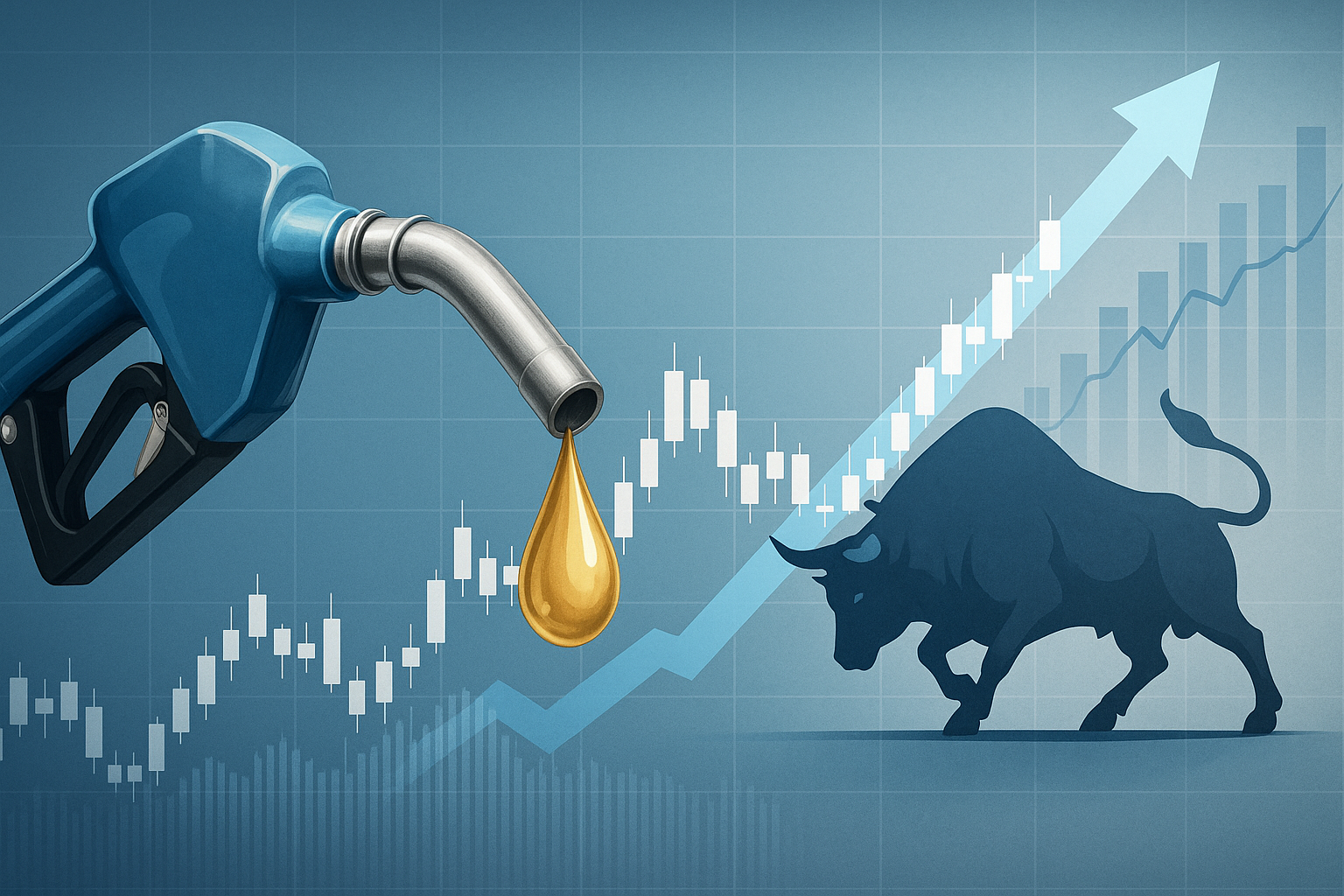
In the shifting landscape of European economics, energy prices hold a pivotal place, influencing both stock markets and government spending deeply. For European investors and policymakers, understanding these dynamics is crucial. As a senior European geopolitical and economic analyst writing for FinancialCustom, I aim to shed light on the often intricate relationships between these elements.
- The Role of Energy Prices in Economic Stability
- Impact on European Stock Markets
- Government Spending: Strategies and Challenges
- Case Study: The 2024 Energy Crisis
- Navigating the Future: A Look Ahead
The Role of Energy Prices in Economic Stability
Energy prices, particularly those of oil and gas, are a barometer for economic stability in Europe. Fluctuations in these prices can lead to shifts in inflation rates, consumer costs, and overall economic growth. When energy prices rise, costs increase for industries reliant on oil and gas, which can ripple through to consumer prices.
A 2026 report by the International Energy Agency (IEA) highlighted that for every 10% increase in energy prices, there’s an estimated 0.5% increase in inflation in the European Union. This correlation underscores how vital energy price stability is for economic growth.
Impact on European Stock Markets
Stock markets across Europe are significantly influenced by energy price shifts. For instance, high energy prices can negatively impact industries with high energy dependence like manufacturing and transportation, which in turn affects their stock valuations. Conversely, energy sector stocks might see a rise, creating a volatile market.
Between 2024 and 2026, Europe witnessed unprecedented volatility in the stock markets primarily due to fluctuating energy prices, as the Index saw a 2.3% variance in correlation with energy price hikes. Understanding these metrics helps investors make informed decisions amidst economic turbulence.
Government Spending: Strategies and Challenges
Governments in Europe, facing the dual challenge of economic growth and fiscal stability, must adeptly manage spending amidst energy price changes. High energy costs often necessitate increased government subsidies on energy, potentially straining national budgets.
The European Central Bank’s strategies in 2025 focused on mitigating these impacts through monetary policies aimed at stabilizing the currency against energy price-induced inflation. Such fiscal maneuvers are critical to maintaining economic balance and supporting vulnerable sectors during times of economic stress.
Case Study: The 2024 Energy Crisis
The 2024 energy crisis exemplifies the profound impact of energy price fluctuations on both stock markets and government budgets. Europe’s heavy dependence on imported energy created a crisis when geopolitical tensions led to abrupt supply shortfalls.
This scenario resulted in a 30% spike in energy prices over six months, causing a chain reaction that saw stock markets across Europe plummet by 5% on average. Governments were forced into fiscal adjustments, increasing their borrowing by 15% to subsidize energy needs and stabilize markets.
Navigating the Future: A Look Ahead
Looking forward, Europe’s energy dependency remains a pivotal factor in economic strategy. Investing in renewable energy and diversifying energy sources are key long-term strategies to buffer against global price shocks. For example, Spain has committed to increasing its renewable energy capacity by 60% by 2030, positioning it as a future leader in energy stability.
Further, continued collaboration between EU nations to create a unified energy policy could bolster economic stability across the region. This approach not only cushions nations from isolated crises but also enhances regional economic cohesion.
What are the immediate effects of rising energy prices on European consumers?
Rising energy prices directly impact European consumers by increasing household energy expenses and transportation costs. This added financial burden affects consumer spending patterns, as families allocate more of their budget towards essential energy needs, potentially reducing discretionary spending.
How do energy prices affect inflation in Europe?
Energy prices are a significant factor in the inflation equation in Europe. When energy prices increase, the cost of production for goods and services rises, leading to higher prices for consumers. This inflationary pressure can reduce purchasing power and influence central bank policies on interest rates.
What strategies can investors use to hedge against energy price volatility?
Investors can use a variety of strategies to hedge against energy price volatility including investing in energy ETFs, diversifying their portfolios with energy stocks, or using futures contracts. Additionally, focusing on renewable energy stocks can provide a counterbalance to traditional energy sector fluctuations.
How are European governments addressing energy dependency issues?
European governments are increasingly focusing on renewable energy sources and energy efficiency measures to reduce dependency. Policies are being implemented to encourage investment in solar, wind, and other renewable energies, alongside improvements in energy storage technologies to ensure stable supply.
Are there any long-term solutions for stabilizing energy prices in Europe?
Long-term solutions for stabilizing energy prices in Europe include diversifying energy supply sources, investing heavily in renewable energy infrastructure, and improving energy storage capabilities. Collaborative energy agreements between EU nations also play a crucial role in minimizing energy supply risks.
By being proactive rather than reactive, European nations can better manage the impacts of energy price volatility, ensuring future economic resilience.
Learn more about government spending strategies in the energy sector
Explore how stock markets are adapting to global economic shifts
Discover more about renewable energy investments
International Energy Agency
European Union

Autor
Posts relacionados

Navigating Energy Prices, Stock Markets, and Government Spending in the UK and EU
- 0
- 797 words
The complexities of the economic landscape in the United Kingdom and the European Union have brought forward discussions on critical issues such...
Leia tudo
The Ripple Effect: Geopolitical Events’ Impact on Europe’s Economy
- 0
- 941 words
The Ripple Effect: Geopolitical Events’ Impact on Europe’s Economy Recent geopolitical events have stirred a wave of economic consequences across Europe. From...
Leia tudo
The Interplay of Energy Prices, Stock Markets, and Government Spending: A Deep Dive
- 0
- 1.036 word
In the intricate world of finance, the nexus between energy prices, stock markets, and government spending constitutes a pivotal theme. As we...
Leia tudo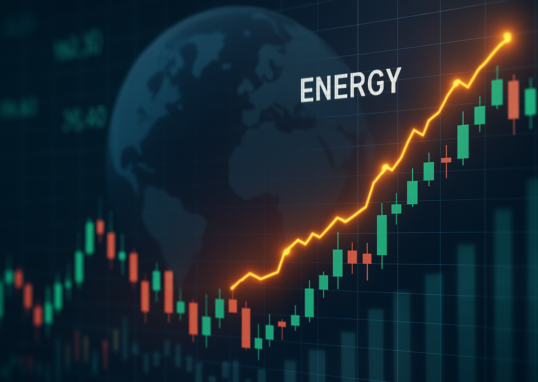
Understanding Energy Prices and Stock Markets Influenced by Government Spending
- 0
- 1.071 word
Understanding Energy Prices and Stock Markets Influenced by Government Spending The dynamic interplay between energy prices, stock markets, and government spending stands...
Leia tudo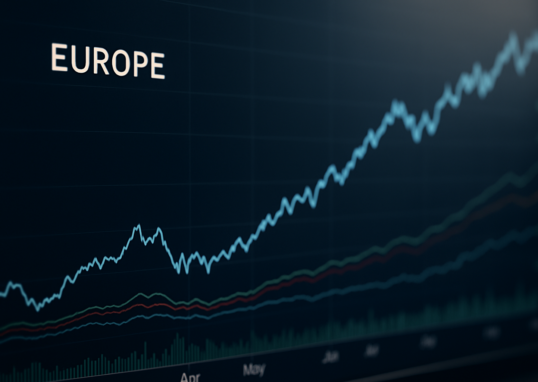
Navigating Europe’s Stock Markets: Insights for Retail Investors and Finance Professionals
- 0
- 928 words
Introduction As Europe emerges from a period of economic uncertainty post-COVID-19, stock markets across the continent are navigating a complex landscape shaped...
Leia tudo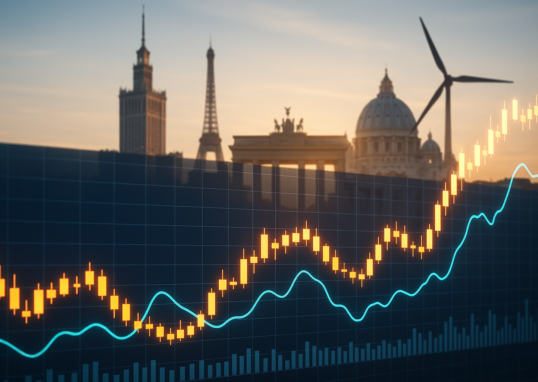
Navigating Energy Prices and Stock Markets Amid Geopolitical Changes
- 0
- 883 words
Navigating Energy Prices and Stock Markets Amid Geopolitical Changes The intertwining of energy prices, stock markets, and government spending presents a complex...
Leia tudo