
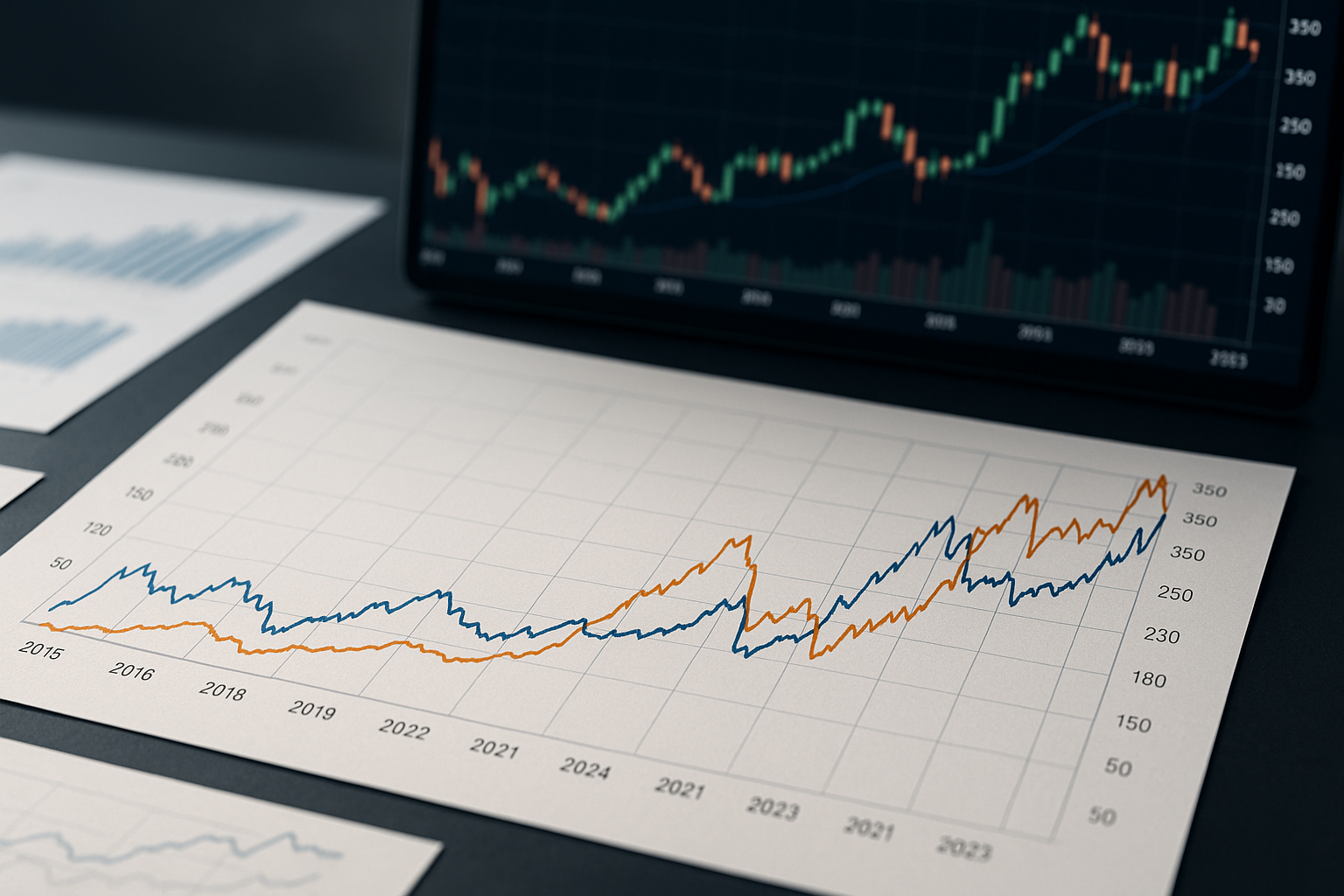
Expert Analysis: Navigating Energy Prices, Stock Markets, and Government Spending
In a rapidly evolving economic landscape, understanding the interplay between energy prices, stock markets, and government spending is crucial. This article offers expert analysis to help investors and policy-makers alike make informed decisions in 2024 and beyond.
- Why Energy Prices Matter
- Impact on Stock Markets
- Government Spending and Economic Growth
- Expert Views and Insights
- FAQs
- Conclusion
Why Energy Prices Matter
Energy prices are a critical component of economic stability. Fluctuations can influence production costs, consumer spending, and overall economic health. For instance, 2024 has seen an uptick in oil prices due to geopolitical tensions and supply chain disruptions.
The Ripple Effect of Rising Costs
When energy costs rise, so do the costs for businesses across sectors. This was evident in early 2024, when natural gas prices spiked, leading to increased costs in manufacturing and agriculture. Companies must decide whether to absorb these costs or pass them on to consumers, potentially dampening demand.
Strategic Approaches for Investors
Investors need to keep an eye on energy stocks and alternative energy solutions. The volatility of energy prices means opportunities and risks abound. Diversifying portfolios with both traditional and renewable energy companies can offer a balanced approach.
Impact on Stock Markets
Stock markets are intrinsically linked to energy and government decisions. As energy prices fluctuate, they can create volatility in the stock markets, affecting investor confidence and leading to broader economic implications.
Insights from 2024 Trends
The first quarter of 2024 saw markets react to rising energy prices with significant movements. Historically, such changes lead to a reallocation of assets as investors adjust to anticipated impacts on company earnings.
Managing Market Volatility
To navigate these shifts, investors should consider diversified asset allocations and hedge against commodities’ price swings. Implementing stop-loss orders may also offer protection during unpredictable market movements.
Government Spending and Economic Growth
In 2024, government spending continues to play a pivotal role in economic recovery post-pandemic. Fiscal policies impacting infrastructure, energy development, and social programs can significantly influence both short- and long-term economic growth.
The Importance of Fiscal Stimulus
Fiscal stimulus packages introduced in 2023 are expected to see full impact in 2024, with sectors like renewable energy benefiting from increased government investments. This not only supports sustainable growth but also creates new jobs.
Long-term Fiscal Policy Implications
While increased government spending can bolster economic activity, it also risks inflating public debt. Experts advocate for balanced budgets that stimulate growth without compromising future financial stability. Learn more about fiscal strategies here.
Expert Views and Insights
For further understanding, I spoke with Dr. Jane Simmons, an economist at the International Economic Forum. She mentioned, “Energy independence through renewable investments is not just an environmental imperative but an economic strategy for sustained growth.” Such perspectives underscore the multidimensional benefits of integrating renewable solutions into economic planning.
A study by the International Energy Agency corroborates this viewpoint, outlining how balanced energy policies catalyze industrial growth and mitigate financial risks.
FAQs
How do energy prices affect inflation?
Rising energy prices generally lead to higher costs for goods and services, contributing to inflation. Consumers face increased living expenses, while businesses combat elevated production costs. Managing inflation becomes a primary focus for central banks, balancing interest rates and market stability.
What should be the investment strategy when energy prices are high?
During periods of high energy prices, diversifying investment portfolios is wise. Consider allocating assets in both fossil fuels and renewables to balance risks. Keeping an eye on government policies in energy can offer clues to potential market movers.
How does government spending influence the stock market?
Government expenditure directly impacts market sentiment and company profits. Infrastructure and public projects funded by government spending often lead to economic growth boosts, increasing investor confidence. Conversely, excessive spending might heighten concerns about inflation and debt, affecting stock market stability.
Can renewable energy investments stabilize the economy?
Yes, investments in renewable energy can lead to a diversified energy portfolio, hedging against volatile fossil fuel prices. As countries aim for sustainability, these investments foster job creation and technological advancements, offering more economic resilience.
Conclusion
Energy prices, stock markets, and government spending form a triad of financial factors that shape the economic landscape. By understanding their interactions and impacts, investors can make better-informed decisions. Emphasizing renewable energy, managing fiscal policies wisely, and navigating market fluctuations with strategic planning are keys to economic stability in the coming years. For more insights on this topic, check our analysis on stock market predictions for 2025.

Autor
Posts relacionados

Decoding the Financial Impact of Cryptocurrency: Understanding Bitcoin’s Role
- 0
- 988 words
Bitcoin and other cryptocurrencies have sparked endless discussions about their impacts on finance and the global economy. For those invested in financialcustom.com,...
Leia tudo
How Stock Markets React to Changes in Central Bank Interest Rates
- 0
- 962 words
The dynamic interplay between central bank interest rates and stock markets continuously captivates investors and economists alike. Understanding this relationship is not...
Leia tudoUnderstanding Market Movements and Regulatory Changes in Cryptocurrency
- 0
- 1.061 word
Introduction The world of cryptocurrency, led by Bitcoin, has become an intriguing yet complex field for investors and technologists alike. With rapid...
Leia tudo
The Impact of Central Banks on Stock Markets: Navigating Interest Rates and Inflation
- 0
- 944 words
Introduction Understanding the intricate dance between central banks, interest rates, and stock markets is pivotal for investors aiming to maximize returns while...
Leia tudo
The Ripple Effect: Geopolitical Events’ Impact on Europe’s Economy
- 0
- 941 words
The Ripple Effect: Geopolitical Events’ Impact on Europe’s Economy Recent geopolitical events have stirred a wave of economic consequences across Europe. From...
Leia tudo
The Impact of Cryptocurrency on European Financial Markets
- 0
- 1.188 word
The rapid advancement of cryptocurrency has revolutionized many sectors, with European financial markets seeing significant transformation. This article aims to uncover the...
Leia tudo