
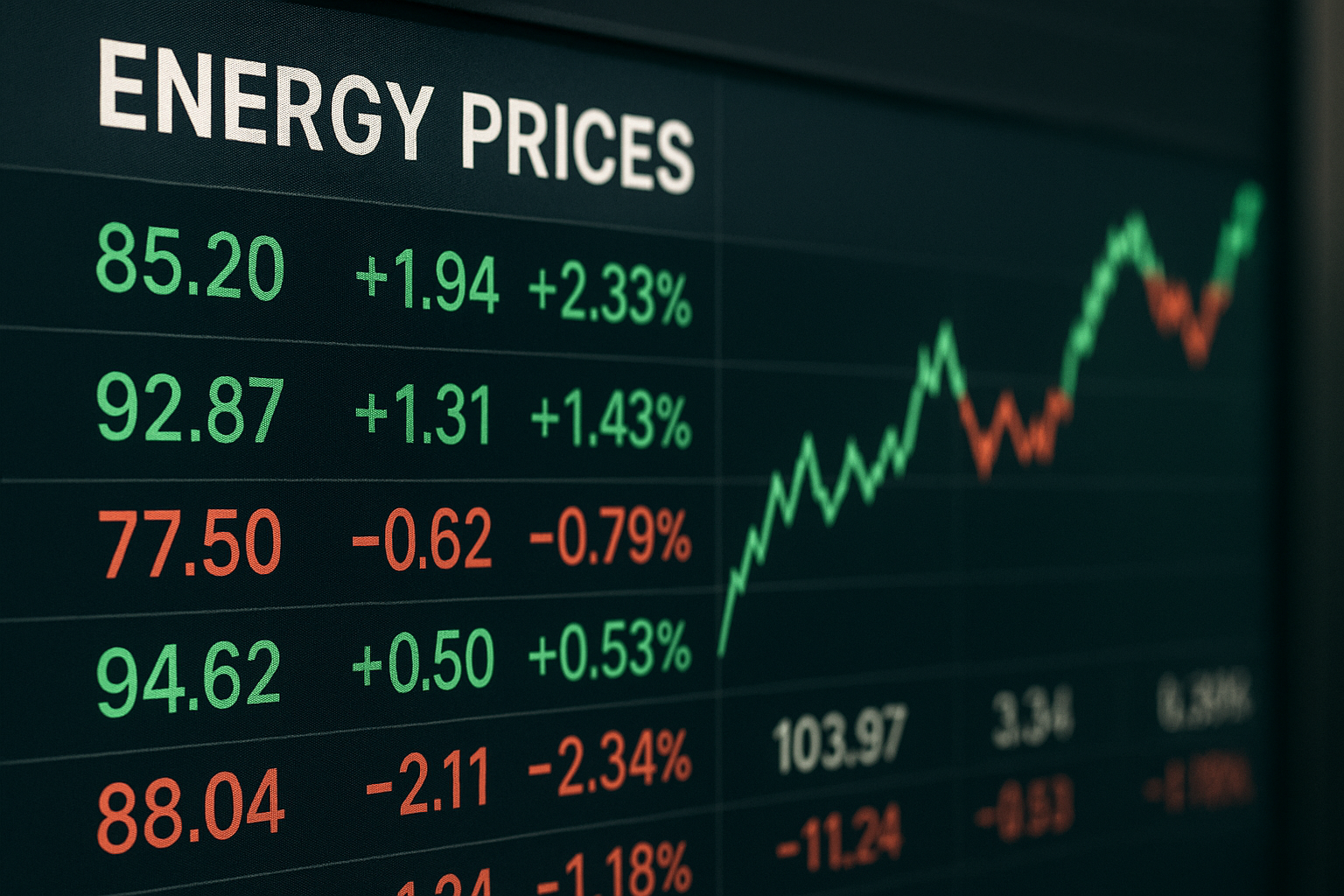
Exploring the Impact of Energy Prices on Stock Markets and Government Spending
Energy prices significantly influence the global economy, with direct effects on stock markets and government spending. As the world continues to grapple with fluctuating energy costs, understanding these dynamics is crucial for investors and policymakers alike. In this article, we’ll unpack the relationship between energy prices, stock markets, and government spending, providing insights into how these elements interact and affect each other.
- Impact of Energy Prices on Stock Markets
- How Energy Prices Affect Government Spending
- Case Studies of Energy Price Fluctuations
- Strategies for Managing the Impact
- Future Trends in Energy and Economy
- FAQs about Energy Prices
Impact of Energy Prices on Stock Markets
Why Energy Prices Matter
Energy is a fundamental input for numerous industries, making its price a critical factor for economic performance. Changes in energy prices affect operational costs, influencing profit margins and ultimately impacting stock valuations.
Effect on Different Sectors
While rising energy prices can benefit energy-producing companies, such as those in the oil and gas sector, they generally place a strain on energy-intensive industries like manufacturing and transportation. This divergence can lead to volatility in stock markets.
Recent Trends and Data
According to a 2024 report by the International Energy Agency, global energy prices rose significantly in the past years due to geopolitical tensions and supply chain disruptions. This hike led to mixed responses in stock markets worldwide.
How Energy Prices Affect Government Spending
Budget Allocation
Governments tend to adjust their budgets in response to energy price fluctuations. Increased energy costs may require higher spending on subsidies or public infrastructure to mitigate economic strain on citizens, affecting other budgetary allocations.
Inflation and Monetary Policy
Rising energy prices often contribute to inflation, prompting governments to adjust monetary policies. Central banks might increase interest rates to curb inflation, impacting borrowing costs and overall economic growth.
Case in Point: U.S. Government Spending
The U.S. government, for example, reallocated significant funds in 2025 to energy subsidies following a surge in oil prices, as detailed by a Federal Reserve report. This shift highlighted the critical interplay between energy economics and fiscal policies.
Case Studies of Energy Price Fluctuations
2010s Oil Price Collapse
The mid-2010s saw a dramatic drop in oil prices, leading to decreased revenues for oil-exporting countries and market volatility. This period is a classic example of how energy prices can trigger wide-ranging economic impacts.
2021 Natural Gas Spike
Natural gas prices spiked in 2021 due to a combination of increased demand and supply shortages. European markets experienced significant stock fluctuations, demonstrating the interconnectedness of global energy markets.
Strategies for Managing the Impact
For Investors
- Diversify portfolios to mitigate risks associated with energy price volatility.
- Consider including alternative energy stocks to hedge against oil price risks.
For Governments
- Develop resilient infrastructure to reduce dependency on volatile energy sources.
- Enhance strategic reserves to cushion against unexpected price surges.
Future Trends in Energy and Economy
Renewable Energy Shifts
The ongoing transition to renewable energy sources is expected to mitigate some of the traditional volatility associated with fossil fuel prices. However, new challenges will arise, such as the initial costs of transitioning and managing intermittent supply.
Technological Advancements
Technological advancements, particularly in battery storage and grid management, are likely to play a significant role in stabilizing energy prices, offering more predictability for markets and economies globally.
Key Takeaway: Understanding the complex relationship between energy prices, stock markets, and government spending is crucial for strategic decision-making in today’s volatile economic landscape.
FAQs about Energy Prices
How do energy prices impact inflation?
Energy prices directly influence inflation since they affect the cost of goods and services. When energy prices rise, transportation and production costs increase, leading to higher prices at the consumer level, thus fueling inflation.
Can governments control energy prices?
While governments can influence energy prices through subsidies and regulatory measures, they can’t fully control global market forces affecting these prices. Energy markets are driven by supply and demand dynamics, geopolitical events, and technological changes.
What sectors are most vulnerable to changes in energy prices?
Sectors like manufacturing, transportation, and agriculture are highly sensitive to energy prices due to their reliance on fuel and energy-intensive processes. High energy costs can erode profit margins and competitiveness in these industries.
What role do renewable energy sources play in pricing stability?
Renewable energy sources contribute to pricing stability by providing alternative options to fossil fuels, thereby reducing dependency on oil and gas. As technology advances, the cost of producing renewable energy is expected to decrease, promoting long-term stability.
What was the impact of the 2021 energy crisis on stock markets?
The 2021 energy crisis led to significant volatility in stock markets, particularly affecting sectors heavily invested in fossil fuels. Countries reliant on imported energy faced economic stress, impacting stock performance and investor confidence.
Conclusion
In an interconnected economy, energy prices wield significant power over stock markets and government spending. By examining historical events and current trends, investors and policymakers can make informed decisions to navigate this complex landscape effectively. Understanding these interactions enables a proactive approach to managing economic and financial risks associated with energy price fluctuations.

Autor
Posts relacionados

Decoding the Financial Impact of Cryptocurrency: Understanding Bitcoin’s Role
- 0
- 988 words
Bitcoin and other cryptocurrencies have sparked endless discussions about their impacts on finance and the global economy. For those invested in financialcustom.com,...
Leia tudo
How Stock Markets React to Changes in Central Bank Interest Rates
- 0
- 962 words
The dynamic interplay between central bank interest rates and stock markets continuously captivates investors and economists alike. Understanding this relationship is not...
Leia tudo
Navigating Energy Prices, Stock Markets, and Government Spending in the UK and EU
- 0
- 797 words
The complexities of the economic landscape in the United Kingdom and the European Union have brought forward discussions on critical issues such...
Leia tudo
The Impact of Central Banks on Stock Markets: Navigating Interest Rates and Inflation
- 0
- 944 words
Introduction Understanding the intricate dance between central banks, interest rates, and stock markets is pivotal for investors aiming to maximize returns while...
Leia tudo
The Ripple Effect: Geopolitical Events’ Impact on Europe’s Economy
- 0
- 941 words
The Ripple Effect: Geopolitical Events’ Impact on Europe’s Economy Recent geopolitical events have stirred a wave of economic consequences across Europe. From...
Leia tudo
The Impact of Cryptocurrency on European Financial Markets
- 0
- 1.188 word
The rapid advancement of cryptocurrency has revolutionized many sectors, with European financial markets seeing significant transformation. This article aims to uncover the...
Leia tudo